
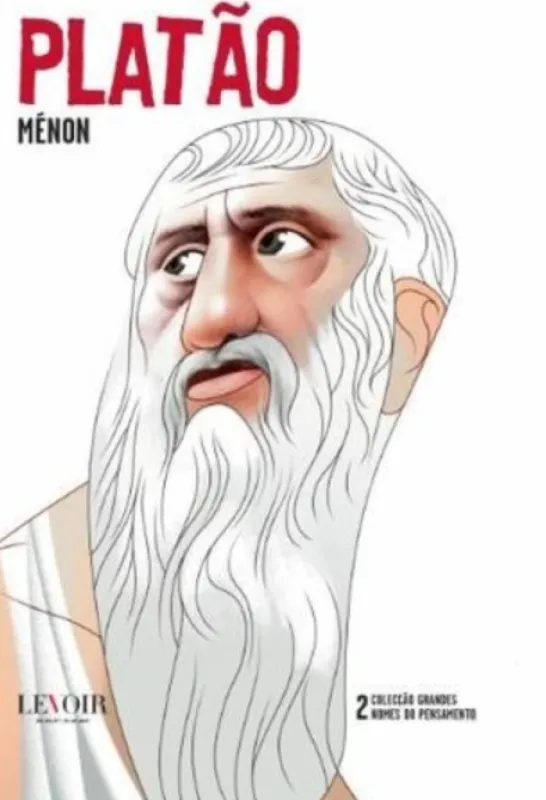
Ménon
Original price was: €13.60.€11.04Current price is: €11.04.
Meno (/ˈmiːnoʊ/; Greek: Μένων, Menōn) is a Socratic dialogue by Plato. In it, Socrates tries to determine the definition of virtue, or rather arete, meaning virtue in general, rather than particular virtues, such as justice or temperance. The first part of the work is written in the Socratic dialectical style, and depicts Meno as being reduced to confusion or aporia. In response to Meno’s paradox (or the learner’s paradox), however, Socrates introduces positive ideas: the immortality of the soul, the theory of knowledge as a recollection (anamnesis), which Socrates demonstrates by posing a mathematical puzzle to one of Meno’s slaves, the method of hypothesis, and, in the final lines, the distinction between knowledge and true belief.
| ISBN | 9789896826628 |
|---|---|
| Ano | 2018 |
| Número de páginas | 120 |
| Capa | Cartonada |
| Editora | Levoir |
| Categorias |
Livros > Ciências Sociais e Humanas > Filosofia
Platão
Platão, filósofo grego, discípulo de Sócrates e mestre de Aristóteles, viveu sensivelmente entre 423 e 348 a. C. Nasceu em Atenas e aí fundou a famosa Academia, onde ensinou as suas doutrinas filosóficas. Foi contemporâneo da democracia ateniense e dos sofistas, os quais combateu fervorosamente. A sua filosofia tem por coroamento a teoria das ideias: a verdade, objecto da ciência, não está nos fenómenos particulares e passageiros, mas nas ideias, tipos puros, ou arquétipos, de cada grupo de seres, de que cada exemplar é uma cópia mais ou menos imperfeita. |
Be the first to review “Ménon”
Related products

Ciência Política


Literatura

Literatura
Direito
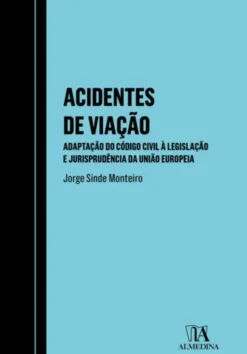
Acidentes de Viação – Adaptação do Código Civil à Legislação e Jurisprudência da União Europeia
Ciências Sociais E Humanas
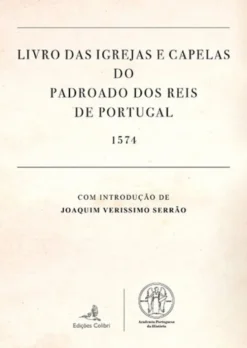
Livro das Igrejas e Capelas do Padroado dos Reis de Portugal – 1574
Ciências Económicas
Educação Literária
Auto-Ajuda
Literatura

Auto-Ajuda
Literatura

Esoterismo

Ciências Económicas
Reviews
There are no reviews yet.